The Secret Sauce of Scalability: Why Marketing Automation and CRM are the Ultimate Power Couple

Imagine you’re running a cozy coffee shop. In the beginning, you know everyone’s name, their favorite bean, and exactly how many pumps of hazelnut syrup they like. It’s personal, it’s warm, and it works. But then, overnight, your shop becomes a global sensation. Thousands of people are walking through the door every minute. Suddenly, you can’t remember if Dave likes a latte or a flat white, and poor Dave ends up with a decaf espresso he never asked for. This, in the digital business world, is the scaling crisis. How do you keep that ‘small shop’ personal touch when you have ten thousand customers? The answer isn’t hiring an army of psychics; it’s the magical synergy between Marketing Automation and Customer Relationship Management (CRM).
The Meet-Cute: What are CRM and Marketing Automation Anyway?

Before we dive into their honeymoon phase, let’s define our protagonists. A CRM is essentially your digital ‘black book.’ It stores every interaction a customer has with your brand—their contact info, purchase history, that one time they complained about a broken link, and the birthday discount they actually used. It’s a database of truth. Marketing Automation, on the other hand, is the engine. It’s the software that takes the data from your CRM and uses it to send emails, post on social media, or trigger ads based on specific rules you set up.
When they work alone, they’re useful. When they work together? They’re unstoppable. It’s like giving your digital black book a pair of jet boots and a personal assistant. Marketing automation uses the ‘brain’ of the CRM to decide exactly when, where, and how to talk to a customer without you ever having to lift a finger.
Why You Should Care (Beyond Just Saving Time)
We all know that ‘saving time’ is the corporate buzzword of the century, but the marriage of CRM and automation offers so much more. First off, let’s talk about Lead Nurturing. Most people don’t buy the first time they see your website. They’re just window shopping. Without automation, those ‘browsers’ would likely be forgotten. With it, the CRM flags them as a ‘New Lead,’ and the automation kicks off a series of helpful, non-pushy emails that guide them toward a purchase. It’s like a gentle nudge from a friend rather than a loud shout from a salesperson.

Secondly, there’s the beauty of Segmentation. Not all customers are created equal. You wouldn’t send a ‘20% off your first purchase’ coupon to someone who has been a loyal customer for five years. That would just be awkward. By using CRM data, your automation platform can divide your audience into ‘buckets’—newbies, loyalists, big spenders, or those who haven’t visited in six months. Each bucket gets a tailored message. This level of personalization makes your customers feel seen and heard, which—spoiler alert—makes them much more likely to spend money.
The Customer Journey: From ‘Who Are You?’ to ‘Take My Money!’
Let’s map out how this actually looks in the wild.
1. The Awareness Stage: A potential customer downloads a free e-book from your site. Their email and interests are instantly logged in your CRM.
2. The Consideration Stage: Because the CRM knows they downloaded a book about ‘Eco-Friendly Gardening,’ the Marketing Automation system sends them a follow-up article three days later about ‘The Best Recycled Planters.’ No manual work required.
3. The Decision Stage: The CRM sees that the lead has clicked the link for a specific planter three times. This triggers an automated ‘Flash Sale’ email for that exact product.
4. The Retention Stage: They buy it! The CRM updates their status to ‘Customer.’ The automation then sends a ‘How-To’ guide for their new planter a week later, followed by a request for a review.
See what happened there? You didn’t have to track that person’s behavior or manually hit ‘send’ on five different emails. The system did the heavy lifting while you were busy focusing on high-level strategy (or, let’s be honest, watching cat videos).
Common Pitfalls: Don’t Be a Robot
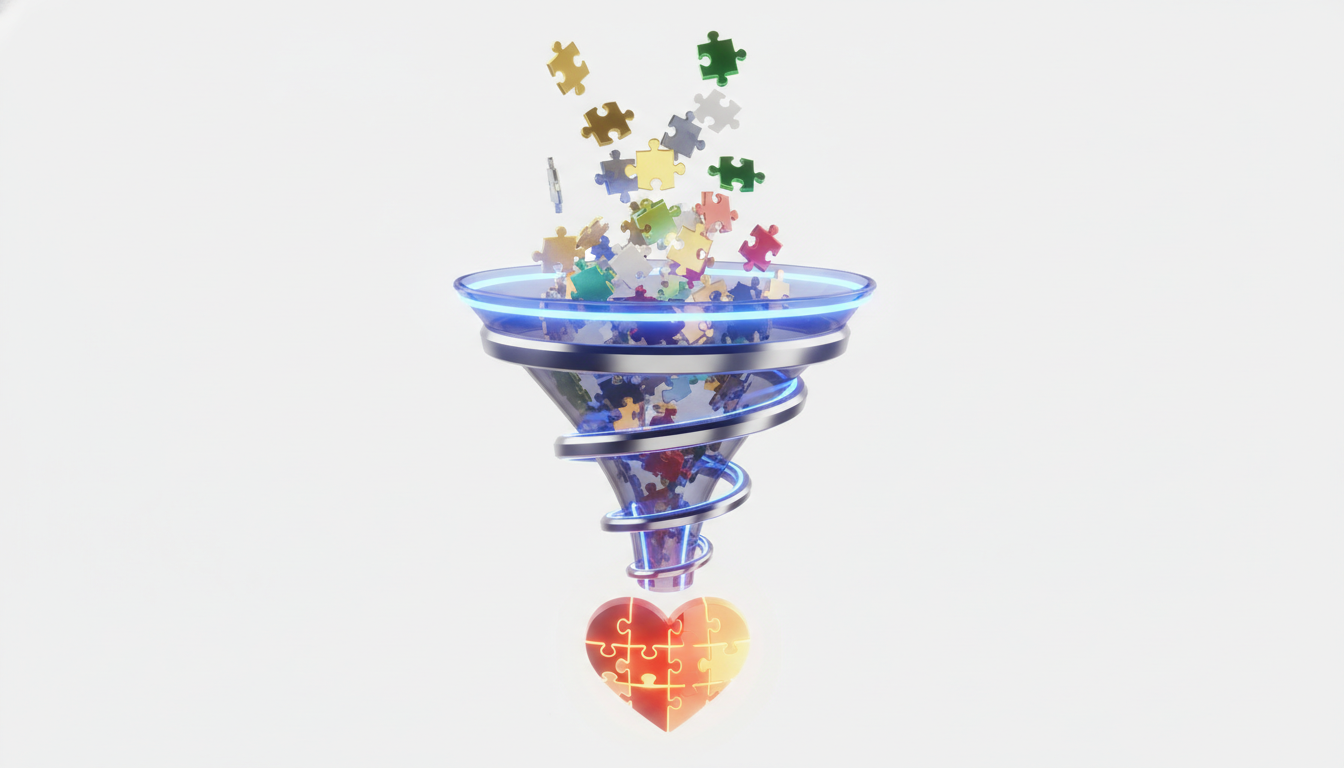
While this power couple is amazing, there’s a dark side: becoming ‘The Spam Machine.’ Just because you can automate everything doesn’t mean you should. The goal is to sound like a human, not a scripted bot. Over-automating can lead to ‘Email Fatigue,’ where your customers start hitting the unsubscribe button faster than you can say ‘click-through rate.’
Another trap is ‘Dirty Data.’ If your CRM is filled with duplicate entries or outdated info, your automation will send the wrong messages to the wrong people. It’s like trying to cook a gourmet meal with spoiled ingredients. You need to periodically ‘clean’ your CRM to ensure the automation engine is running on high-quality fuel.
Choosing Your Tools
There are a million tools out there—HubSpot, Salesforce, ActiveCampaign, Mailchimp, and the list goes on. The ‘best’ one isn’t the most expensive one; it’s the one that fits your specific needs. If you’re a small business, you might want an all-in-one platform where the CRM and Automation live in the same house. If you’re an enterprise giant, you might need specialized, heavy-duty tools that talk to each other via APIs.
The Final Word
In the modern business landscape, standing still is the same as moving backward. Marketing Automation fueled by a robust CRM isn’t just a ‘nice-to-have’ anymore; it’s the backbone of any business that wants to grow without losing its soul. It allows you to be everywhere at once, talking to everyone individually, and providing value at every turn.
So, stop trying to remember if Dave likes a latte or a flat white. Let the machines handle the memory, so you can focus on making the best damn coffee in the world. Ready to automate? Your customers (and your sanity) will thank you.